Store brands vs. name brands: when to make the switch
Start with a staple, check the unit price and let your taste buds decide. Here’s how to try store brands without turning grocery shopping into a research project.
In this guide
Look for a store-brand version of something you buy often, then check its unit price against your usual brand. If the store brand costs less per ounce or pound, the next question is simple: Do you like it enough to buy it again?
You don’t have to swap everything at once. Pick a few easy candidates, compare the labels and give them a try. Keep the name brands that earn their spot in your cart.
Start with pantry and freezer staples
Start with foods you use in recipes, where the brand name matters less to you than the result. Think rice, flour, canned beans or frozen vegetables. If you’re making soup, for example, a can of store-brand beans can be an easy first test.
Choose one or two items on your next trip instead of filling the cart with unfamiliar packages. That gives you a chance to see what works before you commit to a bigger shop.
Store brands are worth a look, but they don’t win every taste test. In an earlier Consumer Reports test of 19 products, store brands and name brands tied in 10 cases. Name brands won eight, and a store brand won one. Your own favorites may be different.
Not sure about a new item? Check the store’s return policy before buying. Look for any conditions that apply to opened food, and keep your receipt if you need it.
Check the unit price before you swap
The package price tells you what you’ll pay today. The unit price helps you compare how much you get for that price. Look for the price per ounce, pound or other unit on the shelf label.
Make sure both products use the same unit. If one shelf label lists a price per ounce and another lists a price per pound, you’ll need to convert them before comparing. You can also divide each package price by its size using the same unit for both.
A name brand may be the better buy when a sale or coupon applies. Check what you actually need to do to get that price: clip a coupon, use a store account or buy a certain quantity. Then compare the final price per unit with the store brand.
Also ask whether you’ll use the whole package. A larger size with a lower unit price may not suit you if some of it goes unused.
Compare labels and try a taste test
Before you swap, turn both packages around. Compare the ingredients and nutrition labels for the things that matter to you, such as added sugar, sodium or serving size. If you’re avoiding an ingredient, read each label rather than assuming the products match.
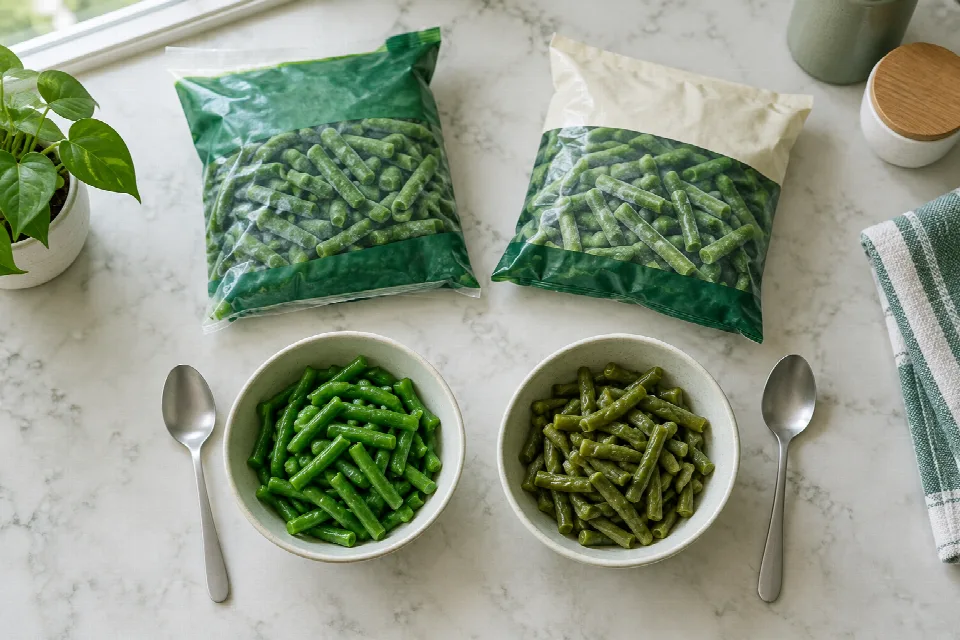
Then put the new pick to work. Try the frozen vegetables in your usual stir-fry, or spread the peanut butter on your regular toast. You’ll get a better sense of the swap when you use it the way you normally would.
For a more playful test, serve the store brand and name brand without showing the packages. Ask your household which one they prefer—or whether they notice a difference. No need to make it a whole event; a spoonful or small serving will do.
Make a quick note of the verdict. If the store brand passes your test and costs less per unit, add it to your regular list. If it doesn’t, you’ve learned something useful for the next trip.
When a name brand is worth keeping
A lower price isn’t much of a win if nobody wants to eat the food. Keep your usual cereal if it’s the one everyone finishes, or stick with the coffee you look forward to each morning.
You can be selective within a category, too. Maybe store-brand canned tomatoes work in your sauce, but you prefer a particular name-brand ketchup. There’s no rule that says your whole pantry has to match.
If a name brand is on your must-have list, check its unit price when you shop. A sale or usable coupon might change the comparison. Just skip the extra hoops if the effort isn’t worth it to you.
Spot it
- Pick one or two pantry or freezer staples to try.
- Compare unit prices using the same measurement.
- Check sale and coupon requirements before counting a name-brand offer.
- Read both labels for the ingredients and nutrition details you care about.
- Taste the swap in a usual meal, then keep it or move on.
Sources
- www.consumerreports.org · /money/store-private-label-brands/store-brand-foods-we-love-and-a-few-we-dont-a6837552095
- www.consumerreports.org · /money/store-private-label-brands/how-store-brand-groceries-can-help-you-save-a4379816935
- www.consumerreports.org · /cro/magazine/2012/10/store-brand-vs-name-brand-taste-off/index.htm
- www.thebulletin.be · /supermarkets-own-products-just-good-or-better-name-brands-test-achats-finds
- www.comanufacturers.com · /insights/who-makes-store-brand-products
- cspdailynews.com · /company-news/private-label-sales-hit-record-2828b-2025-outpacing-national-brands
- progressivegrocer.com · /freezer-pantry-where-shoppers-save-most-store-brands
- parade.com · /food/report-grocery-store-brands-pricing-may-2026