How to save on small kitchen appliances without buying the wrong one
A good deal starts with an appliance you’ll actually use. Here’s how to check the fit, the features and the full cost before you buy.
In this guide
Start with the job, not the sale tag. Whether you’re eyeing a blender, toaster or coffee maker, look for one that fits your meals, your space and your routine. Then check the details that tell you whether the deal holds up.
Match the appliance to your meals and space
Picture what you’ll make in a normal week. If you want a blender for morning smoothies, focus on how much it holds and how easy it is to clean. If you’re shopping for a toaster, count how many slices you need at once.
Be honest about how often you’ll use it. For a specialty gadget you need only once in a while, borrowing from a neighbor or checking a library’s lending options may make more sense than buying.
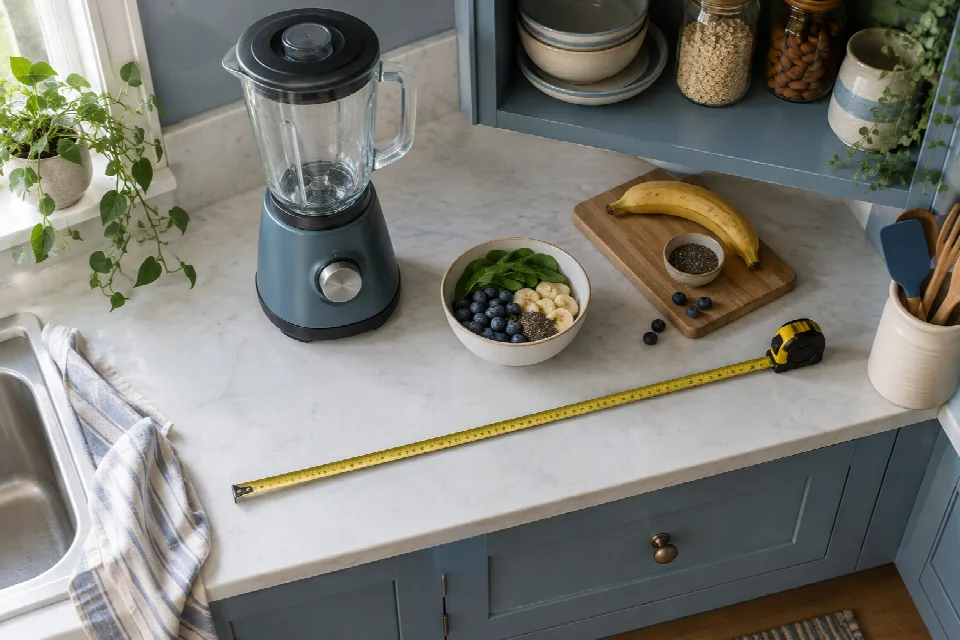
Next, give the appliance a home before it arrives. Measure the counter or shelf where you plan to keep it, then check the product dimensions. Allow room to open lids, remove baskets or plug it in. If you’ll store it away, consider whether you can lift it in and out comfortably.
Short on space? A model that handles more than one task may be worth a look. Just make sure it does the jobs you actually need. A long feature list isn’t useful if most of it stays untouched.
Check reviews, features and warranties
Once you know what you need, compare a few models. Look for reviews that test the task you care about, not just reviews that say an appliance looks nice. Check the model name and number so you’re reading about the same version you’re considering.
Scan customer feedback for repeated comments about cleaning, noise, parts or performance. A single glowing review—or a single complaint—doesn’t tell you much on its own. Look at recent feedback as well as the overall rating.
Then check the features against your routine. Will the controls be easy for you to use? Can you wash the parts the way you prefer? Are the attachments you want included? Skip extras you don’t expect to use, even if they sound impressive.
Read the warranty terms, too. Check how long coverage lasts, what it covers and whom you’d contact if something goes wrong. Keep the receipt and warranty details somewhere you can find them.
Compare the price beyond the sale tag
A sale label is a clue, not a verdict. Compare the same model at other sellers and, where available, check its price history. A price-comparison tool can help you see whether today’s price stands out or is close to what the item usually costs.
Before you pick a seller, check the total at checkout. Include shipping and tax, plus any accessories you need to use the appliance as planned. If it uses items such as filters, check their cost and how often the maker recommends replacing them.
Also compare what comes with each listing. A lower-priced mixer without the attachment you need may not be the better buy once you add that part. And if an app or subscription is offered, check whether it’s optional and whether it has a fee.
Size up used, refurbished and open-box options
A pre-owned or open-box appliance is another option if you’re comfortable checking its condition. Read the seller’s description closely: labels such as “refurbished” and “open box” need more detail. Ask what was inspected, cleaned or repaired, and whether all the parts are included.
If you can inspect the item, look at the cord, plug, controls and removable parts. Ask to see it working when practical. Check the model for recalls, and pass if the condition leaves you uneasy or you can’t get answers to basic questions.
Compare the final cost with a new model, including any missing accessories. Check warranty coverage and returns for that exact listing; don’t assume they match the terms for a new appliance.
Check returns before you buy
Before checkout, find the return window and any conditions. Can you return the appliance after opening or testing it? Who pays for return shipping? Does the seller require the original box and accessories?
When it arrives, check that the parts are there and read the instructions before using it. If it isn’t right for your kitchen, review the seller’s return steps while you still have the paperwork and packaging.
Spot it: your quick checklist
- Name the meals or tasks you’ll use it for.
- Measure its future home and check the dimensions.
- Read tested reviews and check the model number.
- Compare the total cost, including needed extras.
- Inspect the condition and coverage if it isn’t new.
- Read the return terms before you buy.
Sources
- www.chowhound.com · /2048536/how-to-save-money-kitchen-appliances-tips
- www.chowhound.com · /2216859/skip-buying-specialty-kitchen-appliances-borrow-instead
- www.nytimes.com · /wirecutter/kitchen-dining/small-appliances
- discounts.aaa.com · /discounts-articles/how-to-save-money-on-appliances
- www.kitchensurfing.com · /smart-ways-to-save-money-on-a-small-kitchen-appliance
- joingerald.com · /learn/money-basics/reduce-kitchen-appliance-budget-spending
- www.thetakeout.com · /1935084/how-to-save-money-kitchen-appliances-preowned
- www.koupon.ai · /articles/deal-news/best-buy-small-appliance-deals-november-1-2026