
Basic economy vs. standard economy: what are you giving up?
A basic economy ticket can look appealing, but the fare rules tell the fuller story. Here's how to check seats, bags and flexibility before you book.
In this guide
Start with the fare rules, then check the price
Spot the restrictions before you spot the price. Basic economy is generally the lowest-priced fare in the standard economy cabin, but it can come with less flexibility and fewer perks. Standard economy may give you more choices, depending on the airline and ticket.
Start by opening the fare details for both options on the same flight. Look for the rules that matter to your trip: Can you choose a seat? Bring your usual bag? Change plans if you need to? Then compare the total cost with any extras you'd actually use.
Airline rules can differ by route and change over time. Check the details for your specific flight on the airline's site before you book. If you're traveling with others, check the rules for each ticket rather than assuming everyone has the same benefits.
What stays the same in the cabin?
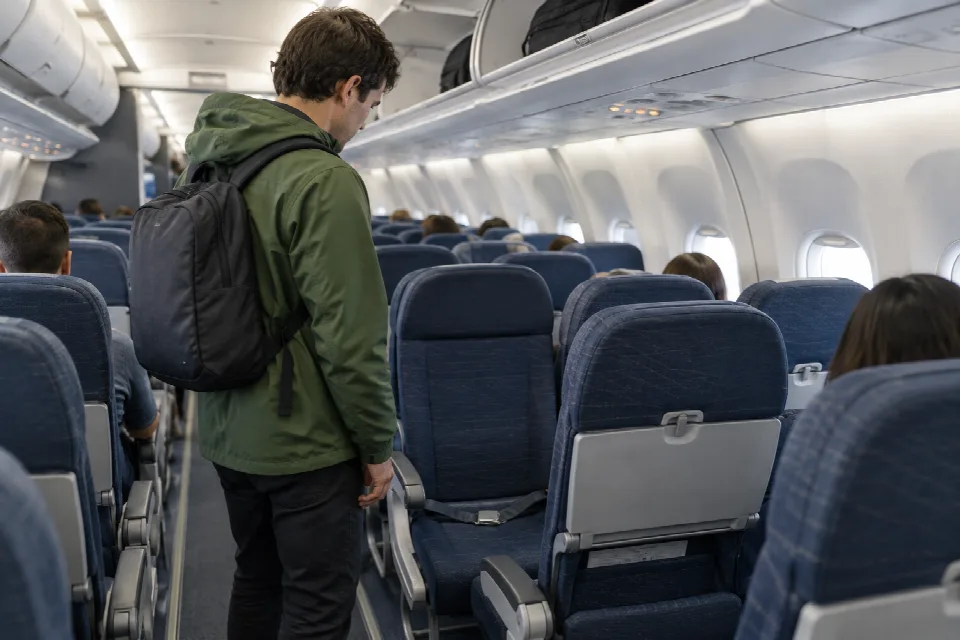
Basic economy isn't a separate cabin. You're generally sitting in the same economy seats, with the same legroom and in-flight service as standard economy. The main difference is what your ticket lets you choose or change around that flight.
That makes the comparison a little less about the seat itself and more about control. If you're happy to let the airline assign your seat and your plans are firm, the basic rules may be easy to live with. If you want to choose where you sit or keep options open, read the standard fare rules closely.
Seats and boarding: what can you choose?
With basic economy, you may not get a free advance seat choice. Some airlines allow you to pay to pick a seat; others may assign one at check-in. Basic economy travelers also tend to board last or near last.
If sitting together matters, don't stop at the seat map. Check whether your fare lets you select seats, what that costs and when you can make your choice. For standard economy, check which seats are included and whether the ones you want cost extra.
Later boarding can also increase the chance that a carry-on is checked at the gate. If you need certain items during the flight, consider which ones you'd want in your personal item rather than your larger bag.
Bags: what can you bring?
This is where a quick comparison pays off. Basic economy bag rules vary by airline. For example, United restricts most domestic basic economy passengers to a personal item, while American and Delta typically allow a full-size carry-on plus a personal item. Check your route and fare for the current rules.
Before you choose, check the airline's size limits and fees for the bags you plan to bring. Include both legs of the trip in your comparison. If you're checking a bag, look at that cost for both fares too.
Have airline status or a related credit card? Check whether it changes your bag allowance for this ticket. Don't assume a benefit applies until you've checked the terms for your fare and route.
Changes and cancellations: how flexible is your ticket?
A basic economy ticket usually has tighter change and cancellation rules. Depending on the airline, you may not be able to change it, or cancellation may involve a fee and partial credit. Standard economy on many US carriers allows changes without a change penalty, though a fare difference may apply.
Look for the exact answers before booking: Can you change the flight? If you cancel, do you get a refund, a credit or nothing back? Is there a fee? Check any deadlines and credit conditions, too.
Think about how settled your plans are. A fare with fewer options may fit a trip you're confident about. If your dates or destination could shift, the flexibility of another fare may be worth considering.
Miles, perks and the full trip cost
Basic economy may earn fewer miles or none at all. It can also limit perks such as upgrades or same-day changes. Rules vary, so check what your fare earns and which benefits apply if those things matter to you.
Now do the side-by-side math for your own trip. Add the ticket cost and the extras you'd choose, such as a checked bag or seat selection, for each fare. Compare those totals, then weigh any difference against the flexibility and perks you'd give up.
The cheaper ticket isn't automatically the wrong choice. The trick is knowing which rules come with it—and whether they work for the way you travel.
Spot it
- Open the fare rules for both options on your flight.
- Check seat selection and boarding if sitting together or carrying a bag matters.
- Confirm personal-item, carry-on and checked-bag rules for your route.
- Read the change, cancellation and credit terms.
- Check miles and any benefits you expect to use.
- Compare the ticket cost plus your planned extras before choosing.
Sources
- www.nerdwallet.com · /travel/learn/basic-economy-vs-main-cabin
- www.going.com · /guides/basic-economy-vs-economy
- thepointsguy.com · /glossary/what-is-basic-economy
- monee-app.com · /blog/how-to-choose-basic-economy-vs-standard-airline-tickets-with-a-feesflexibility-matrix
- www.withautopilot.com · /blog/main-cabin-vs-basic-economy
- seo-pages-web.vercel.www.nerdwallet.com · /travel/learn/basic-economy-vs-main-cabin
- aeronauticsmagazine.com · /air-travel/basic-economy-vs-main-cabin-what-you-really-give-up-in-2026